
Home › Blog › Is IPTV Legal? What You Need to Know in 2026
Is IPTV Legal? What You Need to Know in 2026
March 29, 2026
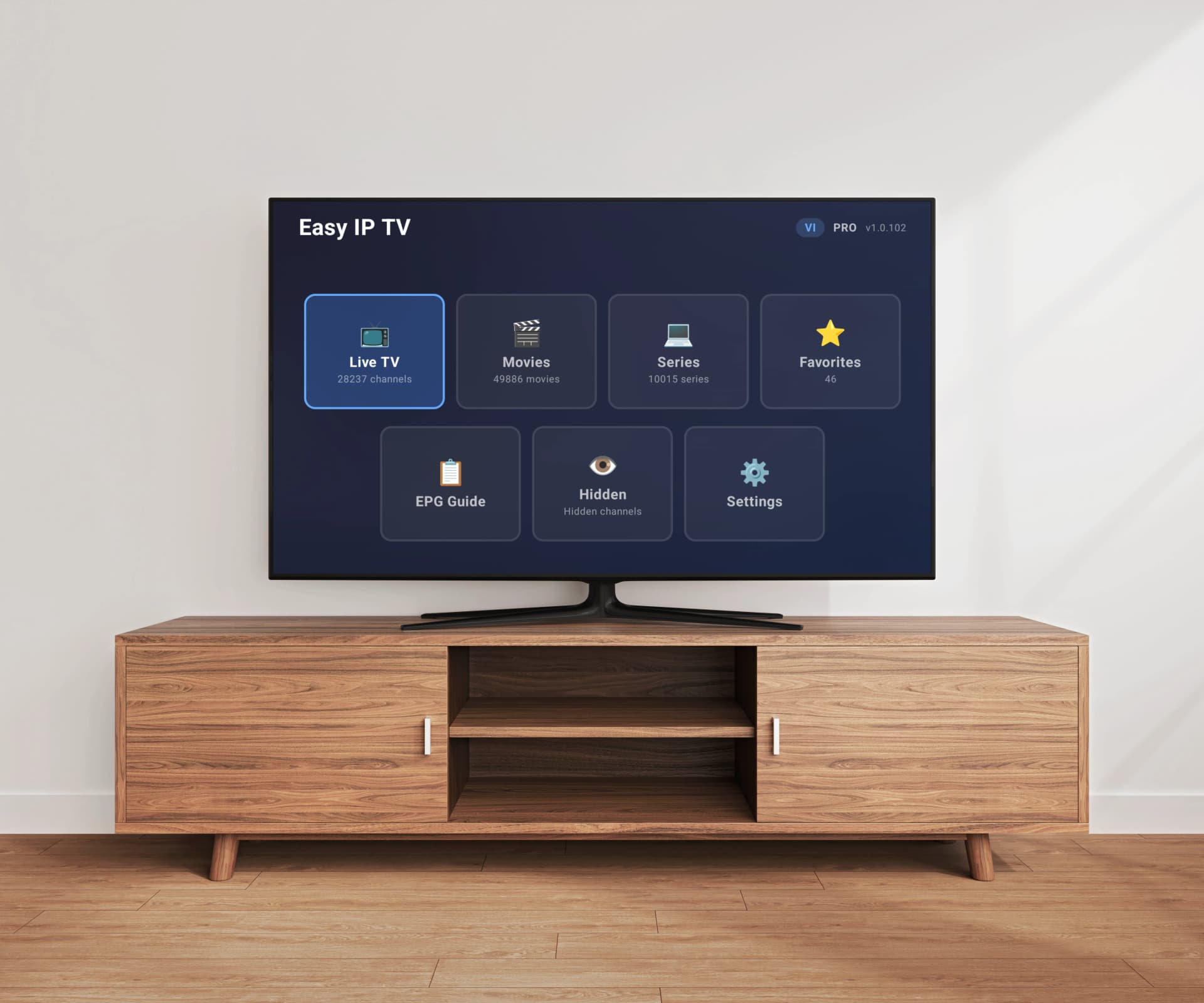
"Is IPTV legal?" is one of the most commonly searched questions in the streaming world, and for good reason. The answer is not a simple yes or no — it depends entirely on how IPTV is used and what content is being accessed. IPTV as a technology is completely legal and is used by some of the biggest media companies in the world. However, the way some services use this technology can cross legal boundaries. In this article, we break down the key distinctions you need to understand: the technology itself, the content being delivered, and the player apps used to access it. This is an educational overview, not legal advice — always consult a qualified legal professional for questions about your specific situation.
IPTV Technology Is Completely Legal
At its core, IPTV (Internet Protocol Television) is simply a method of delivering video content over the internet rather than through traditional cable, satellite, or antenna signals. There is nothing inherently illegal about this technology — it is the same fundamental approach used by Netflix, Disney+, Amazon Prime Video, and every other legitimate streaming platform. IPTV uses standard internet protocols to transmit video data from a server to your device, just like any other form of internet communication. The technology has been used commercially since the early 2000s and is employed by major telecommunications companies worldwide to deliver their official TV services. Declaring IPTV illegal would be like declaring the internet itself illegal — the technology is neutral, and its legality depends entirely on how it is used.
The Content Is What Determines Legality
The critical legal distinction with IPTV is not the technology but the content being transmitted. When a service streams copyrighted content without proper licensing agreements from the content owners, that service is operating illegally — regardless of the delivery method. This is no different from how a DVD player is legal, but selling counterfeit DVDs is not. Licensed IPTV services have negotiated agreements with broadcasters, studios, and content creators to legally distribute their programming. Unauthorized services bypass these agreements entirely, redistributing content they have no legal right to distribute. As a user, the legality of your IPTV experience depends primarily on whether the content source you are using has the proper rights to distribute the channels and programs it offers.
Examples of Legal IPTV Services
Legal IPTV services are far more common than many people realize. Major streaming platforms like Netflix, Hulu, HBO Max, and Amazon Prime Video are all technically IPTV services — they deliver television and video content over the internet using IP protocols. Official broadcaster apps from networks like BBC iPlayer, SVT Play, Yle Areena, and PBS also use IPTV technology to deliver their content legally. Many telecommunications companies offer IPTV packages as part of their subscription bundles, such as AT&T TV, Deutsche Telekom MagentaTV, and Orange TV. There are also legitimate IPTV providers that aggregate channels from various broadcasters with proper licensing, often offering regional or international channel packages at competitive prices. The common thread among all these services is that they have obtained the necessary rights to distribute the content they offer.
How to Identify Illegal IPTV Services
While it can sometimes be difficult to determine whether an IPTV service is operating legally, there are several red flags to watch for. Services offering thousands of premium channels from multiple countries for an extremely low price — often under five euros per month — are almost certainly operating without proper licenses, as legitimate content licensing is expensive. A lack of an official website, professional branding, or verifiable business registration is another warning sign, as legal businesses need proper corporate structures. Services that frequently change their name, domain, or payment methods are often doing so to evade enforcement actions. Be wary of services that can only be found through social media groups, forums, or word of mouth rather than through official app stores or established websites. If a deal seems too good to be true — for example, every major sports channel, premium movie network, and international broadcaster for a few euros per month — it almost certainly is.
Player Apps vs Content Providers — A Critical Distinction
One of the most important distinctions in the IPTV ecosystem is the difference between a player application and a content provider. Easy IP TV is a player application — we do not provide, host, stream, or have any control over television content or channels. Our app reads M3U playlists and EPG data that users provide from their own sources and presents that content in a user-friendly interface on their smart TV. This is fundamentally the same concept as a web browser: Chrome or Firefox does not control or take responsibility for the websites you choose to visit. Similarly, VLC media player can play any video file, but the VLC developers are not responsible for the content of those files. Easy IP TV processes your playlist on our servers to provide fast loading and a smooth experience, but the content itself comes entirely from sources that the user has chosen. Users are fully responsible for ensuring that their content sources are legitimate and comply with their local laws.
Regional Legal Differences Around the World
IPTV legality varies by jurisdiction, and the legal landscape continues to evolve. In the European Union, the Digital Single Market directive has strengthened cross-border content protections, and several EU countries have implemented laws specifically targeting unauthorized IPTV redistribution — though these primarily target providers and resellers rather than individual viewers. In the United States, the DMCA (Digital Millennium Copyright Act) and related laws make unauthorized distribution of copyrighted content illegal, with enforcement typically focused on service operators. The United Kingdom's Digital Economy Act and related legislation have been used to prosecute operators of illegal IPTV services, with some high-profile cases resulting in significant penalties. In many countries, simply using a player application to access content is treated differently from operating an unauthorized distribution service. However, laws vary significantly, and this overview is for educational purposes only — always research the specific laws in your country and consult a legal professional if you have concerns.
Protecting Yourself as an IPTV User
The best way to stay on the right side of the law is to use reputable, verifiable content providers that can demonstrate they have proper licensing for the content they distribute. Look for services with official websites, clear terms of service, established business registrations, and presence in recognized app stores. If you are using an IPTV provider, research their reputation — legitimate providers are generally transparent about their licensing and content partnerships. Avoid services that operate exclusively through messaging apps or anonymous social media accounts. Understand that a low price does not automatically mean a service is illegal, but an impossibly low price for premium content is a strong warning sign. Finally, familiarize yourself with the laws in your specific country or region, as enforcement approaches and legal definitions can differ significantly. When in doubt, choose officially licensed services from recognized broadcasters and telecommunications providers.
FAQ
Is watching IPTV illegal?
No, watching IPTV is not inherently illegal. IPTV is simply a technology for delivering video over the internet, and it is used by major legitimate services like Netflix and Hulu. The legality depends on the content source — if the service has proper licensing for the content it distributes, watching it is perfectly legal. Using unauthorized services that redistribute copyrighted content without permission may have legal implications depending on your jurisdiction. Always verify that your content provider operates legitimately.
Can I get in trouble for using an IPTV player app?
An IPTV player app is a tool that plays content from sources you provide, similar to how a web browser displays websites you choose to visit. The player itself is legal software. Legal enforcement around the world has primarily focused on operators who distribute unauthorized content rather than on the tools used to view it. However, laws vary by country, and this is not legal advice. You are responsible for ensuring that the content sources you use with any player app are legitimate and comply with your local laws.
Is Easy IP TV legal?
Yes, Easy IP TV is a completely legal IPTV player application. We do not provide, host, distribute, or stream any television content or channels. Our app reads M3U playlists and EPG data that users supply from their own sources and displays them in a user-friendly interface. We process playlists on our servers for performance purposes, but all content comes from external sources chosen by the user. Easy IP TV is comparable to a media player like VLC — the application is a neutral tool, and users are responsible for the content they access through it.
How do I know if my IPTV provider is legal?
Look for several indicators: the provider has an official website with clear business information and contact details, they are transparent about their content licensing, they offer reasonable pricing that reflects the cost of legitimate content rights, and they are available through recognized channels rather than only through social media or messaging apps. Be cautious of services offering thousands of premium channels from multiple countries for just a few euros per month — legitimate content licensing is expensive, and impossibly low prices are a strong warning sign. When in doubt, stick with well-known broadcasters and established telecommunications providers.
Is using a VPN with IPTV legal?
VPN usage itself is legal in most countries, and many people use VPNs for legitimate privacy and security reasons. However, using a VPN to circumvent geographic content restrictions may violate the terms of service of your content provider, even if it is not necessarily illegal in your jurisdiction. Some countries restrict or ban VPN usage entirely. The legality of combining a VPN with IPTV depends on your local laws, what you are using the VPN for, and the terms of service of your content provider. This is a general overview — consult a legal professional for advice about your specific situation.
Related articles
What is IPTV? Complete Beginner's Guide (2026)
IPTV has transformed how millions of people watch television, but the technology and terminology can be confusing for newcomers. This comprehensive guide explains everything you need to know about IPTV in plain language — from how the technology works to how to set it up on your own TV.
Watching IPTV on Your Smart TV: A Plain-English Guide
"IPTV" is one of those words that gets thrown around in technology articles without anyone stopping to explain it. If you have a Smart TV (a television made in the last few years that connects to the internet) and you have heard the word "IPTV" but are not quite sure what it means or whether it is for you, this article is written for you. No jargon. No assumptions. Just a clear explanation, written in plain English.
Best IPTV Player for Smart TV 2026 — Which One Fits Your TV?
Which is the best IPTV player for Smart TV in 2026? We compare the top apps for Samsung, LG, and Android TV — and show which IPTV app is the right match for your television.
How to Set Up an M3U Playlist on Your Smart TV
A complete beginner's guide to M3U playlists: what they are, where to get one, and how to set it up on Samsung, LG, or Android TV step by step.
Looking for a Reliable IPTV Player?
Easy IP TV is a dedicated IPTV player app for Samsung, LG, and Android smart TVs. Bring your own M3U playlist and enjoy fast loading, EPG support, and server-side playlist processing. We do not provide content — we provide the best way to watch it. Start with a free 24-hour trial, no credit card required.
Try Easy IP TV Free